The problem
Employers and legal teams conducting EEOC discrimination investigations need multi-stage applicant flow analysis that meets UGESP standards — but available tools are generic and not built for the specific statistical requirements of federal employment law.
My role
- Designed and built a reusable R-based applicant flow analysis framework
- Implemented EEOC/UGESP-aligned methodology: 4/5ths rule, Fisher's exact test, Cochran-Mantel-Haenszel stratification
- Built publication-ready output tables matching EEOC investigation standards
- Applied methodology to hiring, promotion, pay equity, and termination analyses in legal and compliance contexts
Process & methods
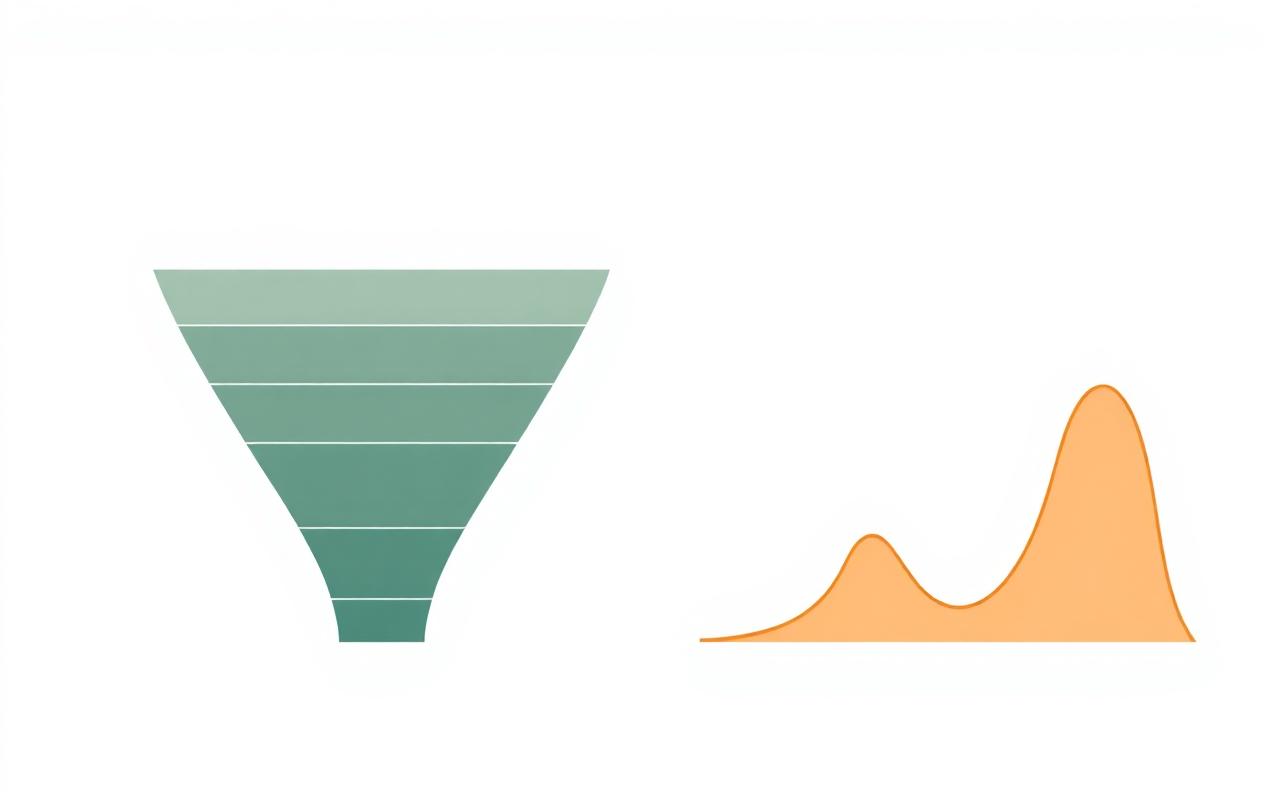
- Multi-stage funnel: Screen → Interview → Assessment → Selection
- Statistical tests: Fisher's exact (small samples), chi-square expected values, Breslow-Day, Mantel-Haenszel
- Protected classes: gender (EEOC categories), race/ethnicity (EEO-1 categories)
- Output: adverse impact flags, shortfall calculations, stratification recommendations
Outcomes
- Framework deployed across Title VII hiring, promotion, discharge, and compensation analyses
- Reproducible methodology with synthetic data demonstration available on GitHub
- Applicable to algorithmic fairness assessments and OFCCP compliance reviews
What I'd do differently
The current framework handles single-role analysis. Real EEOC investigations require stratification by job title, department, and location simultaneously. I'd extend the framework to handle multi-role stratification natively rather than requiring manual re-runs.